Best Smartphone for Hiking: A Practical Hiking Smartphone Buyer’s Guide

Welcome to the LAGENIO Smartphone Blog — where your mobile questions get clear answers.
When hiking, a smartphone is no longer just a communication tool. It often replaces a GPS device, camera, compass, and even an emergency lifeline. However, rain, drops, weak signals, and battery drain make ordinary phones unreliable outdoors.
That’s why more users are searching for a hiking smartphone—a device built to stay dependable on the trail. But what really makes the best smartphone for hiking?
What Is a Hiking Smartphone?
A hiking smartphone is designed for real outdoor use, not just daily protection. Compared with regular phones, it focuses on three essentials:
- Environmental durability (water, dust, drops)
- Long-lasting battery performance
- Outdoor usability, such as navigation, visibility, and grip
It’s not about extreme specs—it’s about stability when conditions are unpredictable.
Real Challenges When Hiking with a Phone
Hiking environments create problems that city use never does:
- Sudden rain, mud, and dust
- Accidental drops on rocks or trails
- Fast battery drain from GPS and weak signal areas
A reliable hiking smartphone is built specifically to handle these situations without constant worry.
Key Features That Truly Matter
Waterproof & Dustproof Protection: IP67, IP68, and IP69K
- IP67: Basic protection for splashes and light rain
- IP68: Better for heavy rain and wet environments
- IP69K: Designed to handle high-pressure water and temperature changes, closer to real outdoor conditions like storms, muddy splashes, and post-hike cleaning
For frequent hikers or unpredictable weather, IP69K adds meaningful peace of mind.
Battery Life for the Trail
Hiking drains power quickly due to GPS tracking, photography, and constant signal searching. A true hiking smartphone should last a full day or more without depending entirely on a power bank.
This is especially important for long hikes, camping trips, and remote routes.
Navigation & Outdoor Usability
Accurate positioning matters more than performance scores. Features like multi-system GPS, compass support, and clear outdoor visibility make navigation safer and more reliable.
Choosing the Right Hiking Smartphone for Different Needs
This is where different hiking styles require different solutions.
Lightweight Hiking & Daily Outdoor Use
Some hikers want a phone that feels slim and portable but still survives rain, drops, and outdoor accidents.
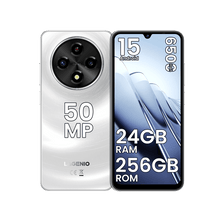
This is where a device like Panther 2 Pro rugged phone fits naturally:
- Slim and lightweight for easy carrying
- Strong waterproof and drop protection
- Built-in underwater camera, perfect for streams, lakes, and rainy conditions

It’s ideal for users who want a hiking smartphone without the bulk.
Long Hikes, Camping & Power-Intensive Trips
For multi-day hikes or camping, battery life becomes the top priority—especially when charging options are limited.
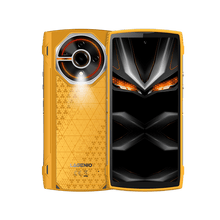
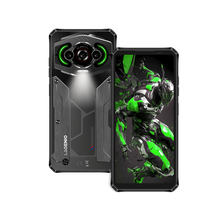
A model like Rhino 1 Pro outdoor smartphone is designed for this scenario:
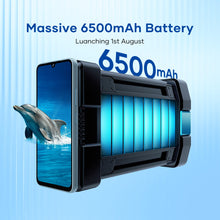
- Massive 13,000mAh battery for extended outdoor use
- Integrated camping light for night activities or emergencies
- Dual speakers for entertainment at camp
- Underwater camera, combining durability with fun and creativity

It’s built for users who need both endurance and entertainment outdoors.
Final Thoughts
The best smartphone for hiking isn’t defined by one specification—it’s about matching the phone to your outdoor lifestyle.
A well-designed hiking smartphone should:
- Stay reliable in rain, mud, and dust
- Survive accidental drops
- Provide dependable navigation
- Support long outdoor days without anxiety
Whether you prefer a lightweight rugged phone for mobility or a power-focused outdoor phone for camping and long adventures, choosing the right device can significantly improve both safety and enjoyment on the trail.