I migliori telefoni per chi lavora all’aperto: robusti e affidabili

Lavorare all'aperto sottopone il tuo telefono a stress costante, e la maggior parte degli smartphone semplicemente non è costruita per questo tipo di ambiente. Non si tratta solo di qualche caduta occasionale: si tratta di polvere, acqua, vibrazioni, temperature estreme e lunghe ore senza ricarica. Con il tempo, queste condizioni mettono in evidenza molto rapidamente i punti deboli dei telefoni normali.
Ecco perché scegliere il telefono giusto per il lavoro all'aperto non significa inseguire le specifiche, ma capire cosa conta davvero nell'uso reale. In questa guida, analizzeremo chiaramente queste esigenze e ti aiuteremo a decidere quale tipo di telefono — e quale modello — si adatta davvero al tuo lavoro.
Di cosa hanno davvero bisogno i lavoratori outdoor da un telefono
Quando si va oltre le specifiche di marketing, il lavoro all'aperto crea una serie molto specifica di requisiti. Non si tratta di funzioni “gradite”, ma di aspetti che influenzano direttamente se il tuo telefono può resistere e rimanere utilizzabile per tutta la giornata. Capire queste esigenze è il primo passo per fare la scelta giusta.
La resistenza, per esempio, non riguarda solo l'impermeabilità. Un telefono usato in un cantiere o in attività sul campo verrà fatto cadere ripetutamente, esposto alla polvere e a volte usato sotto la pioggia o nel fango. Ecco perché certificazioni rugged reali come IP68/IP69K e MIL-STD-810H sono importanti: indicano che il telefono è progettato per stress continui, non solo per incidenti isolati.
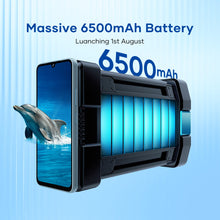
L'autonomia della batteria è un altro fattore critico che spesso viene sottovalutato. I lavoratori outdoor non hanno sempre accesso alla ricarica durante il giorno e, anche quando ce l'hanno, non è sempre comoda o affidabile. Un telefono che arriva tranquillamente a fine giornata, o persino a due giorni pieni, può fare una differenza significativa in termini di produttività e tranquillità.
Anche la facilità d'uso diventa più importante nelle condizioni outdoor. La luce intensa del sole può rendere gli schermi difficili da leggere, le mani bagnate possono influire sulla risposta al tocco e i guanti possono rendere difficile un controllo preciso. Un telefono outdoor ben progettato tiene conto di queste realtà, rendendolo più facile da usare senza rallentarti.
Telefoni rugged vs smartphone normali: cosa funziona davvero meglio?
A prima vista, potrebbe sembrare che uno smartphone di punta possa gestire senza problemi il lavoro all'aperto. In fondo, molti dispositivi di fascia alta offrono resistenza all'acqua e una buona qualità costruttiva. Tuttavia, c'è una differenza fondamentale tra essere “protetto” ed essere “costruito per ambienti difficili”.
Gli smartphone normali sono progettati per l'uso quotidiano dei consumatori, dove la resistenza è importante ma non è la priorità assoluta. Bilanciano prestazioni, design e qualità della fotocamera, spesso a scapito della robustezza nel lungo periodo. Al contrario, i telefoni rugged sono progettati fin dall'inizio per sopportare urti ripetuti, condizioni estreme e uso prolungato senza guasti.
Per i lavoratori outdoor, questa differenza diventa molto evidente nel tempo. Un telefono rugged ha meno probabilità di rompersi, meno probabilità di richiedere riparazioni e più probabilità di rimanere affidabile durante i turni lunghi. In pratica, questo significa meno interruzioni e un dispositivo su cui puoi davvero contare quando ne hai più bisogno.
Scegliere il telefono giusto in base al tipo di lavoro
Non tutti i lavori all'aperto sono uguali, e il “miglior telefono” dipende molto da come e dove lo usi. Invece di cercare una soluzione valida per tutti, è più utile abbinare il telefono alle tue specifiche condizioni di lavoro.
Lavori pesanti: edilizia, lavoro industriale, ambienti rumorosi
Se il tuo lavoro comporta esposizione costante a rumore, urti e maneggevolezza brusca, la sola resistenza non basta: servono anche funzioni pratiche che supportino le attività quotidiane. In questi ambienti, un telefono diventa più di un dispositivo di comunicazione; diventa uno strumento che ti aiuta a lavorare in modo più efficiente.
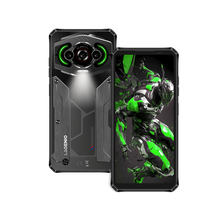
È qui che qualcosa come LAGENIO Rhino 1 Pro outdoor phone si distingue. La sua struttura rugged è progettata per condizioni estreme, ma soprattutto include funzioni davvero utili sul posto, come doppi altoparlanti estremamente potenti in grado di farsi sentire anche negli ambienti rumorosi. La luce da campeggio o da lavoro integrata diventa inoltre sorprendentemente preziosa quando si lavora in condizioni di scarsa luce o durante i turni notturni, riducendo la necessità di attrezzature aggiuntive.
In questo caso, il peso e le dimensioni maggiori non sono svantaggi, ma compromessi a favore della funzionalità. Se il tuo lavoro è impegnativo, avere un telefono che possa anche fungere da strumento di utilità spesso conta più di avere qualcosa di sottile.
Lavoro in mobilità: consegne, assistenza sul campo, uso quotidiano all'aperto
Per chi è sempre in movimento, le priorità cambiano leggermente. Serve comunque resistenza, ma comfort e portabilità iniziano a contare molto di più perché il telefono viene usato continuamente per tutta la giornata.
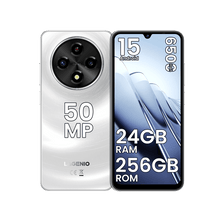
È qui che LAGENIO Panther 2 Pro rugged phone diventa la scelta più equilibrata. Offre una solida protezione rugged mantenendo un design più sottile e leggero, che lo rende più facile da trasportare e usare per lunghi periodi. Per autisti delle consegne o operatori sul campo che fanno affidamento su navigazione, comunicazione e interazioni rapide, questo equilibrio può migliorare notevolmente l'esperienza complessiva.
Invece di massimizzare ogni funzione, questo tipo di telefono si concentra sul ridurre l'affaticamento e rendere l'uso quotidiano più comodo. Con il tempo, questo può essere importante quanto la resistenza.
Ambienti misti: tecnici, ispettori, addetti ai servizi pubblici
Alcuni ruoli non rientrano perfettamente in una sola categoria, perché comportano un mix di condizioni. Potresti trascorrere parte della giornata in ambienti controllati e un'altra parte all'aperto, affrontando diversi livelli di stress per il dispositivo.
In questi casi, la scelta dipende più dalle priorità personali che dai soli requisiti del lavoro. Se dai valore a funzionalità aggiuntive come un audio potente o l'illuminazione integrata, Rhino 1 Pro ha più senso. Se preferisci qualcosa di più facile da maneggiare e portare con te per tutta la giornata, Panther 2 Pro è probabilmente la scelta migliore.
Questa flessibilità è importante perché ti permette di scegliere in base a come lavori davvero, invece di costringere il tuo flusso di lavoro ad adattarsi al dispositivo.
Come scegliere il telefono giusto (senza fissarsi troppo sulle specifiche)
È facile perdersi tra le specifiche quando si confrontano i telefoni, ma per il lavoro all'aperto la decisione può essere semplificata concentrandosi su pochi fattori chiave. Questi fattori influenzano direttamente l'usabilità quotidiana e l'affidabilità nel lungo periodo, molto più dei numeri grezzi sulle prestazioni.
Per prima cosa, dai sempre priorità alle certificazioni di resistenza reali rispetto alle affermazioni di marketing. Un telefono ufficialmente classificato per resistenza ad acqua, polvere e urti ha più probabilità di sopravvivere a un uso prolungato. In secondo luogo, considera l'autonomia della batteria in relazione alla tua giornata lavorativa, non solo al numero stampato sulla scheda tecnica. Ciò che conta è se il telefono riesce davvero ad accompagnarti per tutta la tua routine senza continue ricariche.
Infine, pensa a come il telefono si sente in mano durante la giornata. Un telefono più pesante può offrire più funzioni e più batteria, ma con il tempo può anche risultare stancante. D'altra parte, un dispositivo più leggero può sacrificare alcune funzioni ma migliorare il comfort complessivo. La scelta giusta è quella che si adatta al tuo flusso di lavoro, non solo quella con più funzioni.
Considerazioni finali
Scegliere il miglior telefono per il lavoro all'aperto significa in definitiva abbinare il dispositivo al tuo ambiente e alle tue abitudini quotidiane. Non esiste un'opzione perfetta in assoluto, ma solo quella che si allinea meglio al modo in cui lavori.
Se il tuo lavoro è fisicamente impegnativo e richiede strumenti extra integrati nel telefono, Rhino 1 Pro è l'opzione più pratica e capace. Se il tuo lavoro comporta spostamenti continui e dai valore al comfort e alla facilità d'uso, Panther 2 Pro offre un equilibrio migliore.
Alla fine, l'obiettivo è semplice: scegliere un telefono che lavori duro quanto te, senza diventare qualcosa di cui devi preoccuparti.
FAQ
I telefoni rugged sono migliori per chi lavora all'aperto?
Nella maggior parte dei casi, sì. Sono progettati appositamente per resistere a condizioni che danneggerebbero rapidamente gli smartphone normali, rendendoli più affidabili nel tempo.
Quanto è importante l'autonomia della batteria per il lavoro outdoor?
L'autonomia della batteria è fondamentale perché l'accesso alla ricarica è spesso limitato. Un telefono in grado di durare per turni lunghi senza interruzioni offre un chiaro vantaggio.
Dovrei scegliere un telefono rugged più pesante o uno più leggero?
Dipende dalle tue priorità. I telefoni più pesanti di solito offrono più batteria e funzioni, mentre quelli più leggeri sono più comodi per un uso continuo durante tutta la giornata.