Rugged Phone for Harsh Environments: What to Look for and Why It Matters

Smartphones are essential for communication, navigation, and everyday work. However, construction sites, farms, factories, and outdoor adventures can expose devices to dust, water, accidental drops, and extreme temperatures.
For people who regularly work in these conditions, a rugged phone for harsh environments offers additional protection and greater reliability than many conventional smartphones. But what features should you look for when choosing one?
What Makes an Environment Harsh for Smartphones?
Several common environmental factors can affect smartphone durability:
- Dust and dirt: Cement dust, sand, and soil can accumulate around ports, speakers, and other components.
- Water and moisture: Rain, muddy conditions, and accidental splashes can damage devices without adequate protection.
- Drops and impacts: Working with tools and machinery increases the risk of accidental drops onto hard surfaces.
- Extreme temperatures: Excessive heat and cold can affect battery performance and normal operation.
These challenges are common in agriculture, construction, industrial workplaces, and outdoor activities.
Why Regular Smartphones Struggle in Harsh Environments
Most conventional smartphones are designed primarily for everyday consumer use. Their slim bodies and glass surfaces may not be ideal for environments involving dust, moisture, and frequent physical contact.
A damaged screen or water exposure can lead to expensive repairs. Battery life can also become a concern when workers rely on GPS, communication, and photography throughout long shifts.
For people who depend on their phones for work, unexpected device failure can interrupt important daily tasks. This makes durability an important consideration when choosing a smartphone.
Key Features to Look for in a Rugged Phone for Harsh Environments
Not all rugged smartphones offer the same level of protection. Here are five important features to consider.
1. IP68 and IP69K: Protection Against Dust and Water
IP ratings describe how well a device's enclosure protects against solid particles and water. The first digit indicates dust protection, while the second represents water protection.
Two common ratings found on rugged smartphones are:
- IP68: Provides dust-tight protection and resistance to continuous water immersion under specified testing conditions.
- IP69K: Indicates protection against high-pressure, high-temperature water jets under defined testing conditions.
These ratings are useful for people working around dust, rain, mud, and water. However, water resistance does not mean a phone is completely waterproof in every situation. Always check the manufacturer's specifications.
2. MIL-STD-810H: Durability for Demanding Conditions
MIL-STD-810H is an environmental engineering standard developed by the US Department of Defense. Its testing methods cover different environmental stresses, including mechanical shock, vibration, humidity, and temperature variations.
For rugged smartphones, these tests can provide useful information about durability in demanding conditions.
However, not every device undergoes every test method. Check the manufacturer's specific testing information rather than assuming that the standard guarantees protection against all environmental hazards.
3. Durable Display and Reinforced Design
A smartphone screen is particularly vulnerable to scratches and accidental impacts. Look for reinforced screen protection, sturdy frames, and impact-resistant construction.
Protective glass technologies such as Corning Gorilla Glass can improve resistance to scratches and everyday wear. Reinforced corners and shock-absorbing structures can also help reduce damage from accidental drops.
4. Long-Lasting Battery for Extended Workdays
People working outdoors may not always have convenient access to charging outlets. GPS navigation, mobile connectivity, and photography can also consume considerable power.
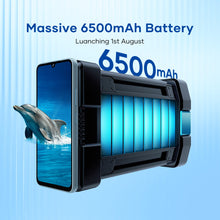
A large-capacity battery helps support extended use, while reverse charging on compatible models can provide emergency power to other devices.
Remember that actual battery life also depends on network conditions, screen brightness, temperature, and usage habits.
5. Reliable Performance and Connectivity
A rugged phone should offer more than physical protection. It should also support everyday communication and work tasks.
Consider features such as 4G/5G connectivity, GPS navigation, NFC, Bluetooth, sufficient memory, and a capable processor. The ideal device balances durability with practical smartphone functionality.
Who Needs a Rugged Phone for Harsh Environments?
Rugged smartphones can benefit people across different professions and lifestyles.
Construction Workers
Construction sites expose phones to cement dust, gravel, moisture, and accidental drops. Strong dust protection, water resistance, and reinforced construction are particularly valuable for everyday worksite communication.
Farmers and Agricultural Workers
Farmers regularly encounter soil, mud, irrigation water, and changing weather. A rugged phone for farmers should offer reliable environmental protection, a durable design, and sufficient battery capacity for long outdoor working hours.
Industrial and Maintenance Workers
Factories and workshops can expose devices to dust, vibration, and physical impacts. Rugged smartphones help workers stay connected, access maintenance information, and document equipment conditions.
Outdoor Enthusiasts
Hiking, camping, cycling, and fishing involve unpredictable weather and challenging terrain. Water resistance, GPS, battery life, and a durable screen are valuable features for outdoor activities.
How to Choose the Right Rugged Phone for Your Working Environment
The best rugged phone depends on where and how you plan to use it.
- Construction sites: Prioritize IP68/IP69K protection and reinforced construction.
- Farms: Look for dust and water protection, a large battery, and reliable GPS.
- Industrial workplaces: Consider environmental testing, impact resistance, and stable connectivity.
- Outdoor adventures: Focus on battery life, GPS accuracy, water resistance, and portability.
Before purchasing, check the exact protection ratings, operating temperature range, battery specifications, network compatibility, and warranty conditions.
Are Rugged Phones Worth It for Everyday Use?
You do not need to work on a construction site to benefit from a rugged smartphone. People who travel, cycle, camp, or simply want a more durable device may also appreciate the additional protection.
However, some rugged phones are thicker and heavier than conventional smartphones. Consider your daily needs and preferences before making a decision.
Final Thoughts: Stay Connected in the Toughest Conditions
Choosing a rugged phone for harsh environments means prioritizing protection, reliable performance, and battery life.
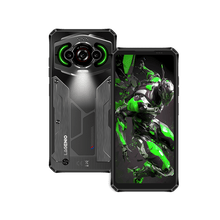
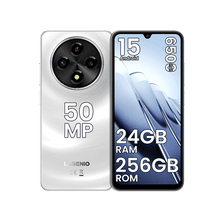
At LAGENIO, we develop rugged smartphones for outdoor activities and demanding working conditions. Models such as Rhino 1 Pro and Panther 2 Pro offer options for users seeking durability and everyday practicality.
Whether you work on a farm, at a construction site, or enjoy outdoor adventures, the right rugged smartphone can help you stay connected with greater confidence.